Walasse Ting was born in Shanghai, China, in 1929. He moved to Paris in 1952, where he fell in with the CoBrA movement — the loose international grouping of artists from Copenhagen, Brussels, and Amsterdam whose work embraced spontaneity, folk imagery, and raw expressive energy as a counterpoint to the austerity of postwar European abstraction. From Paris he made his way to New York in the late 1950s, where he became a vivid and distinctive presence in the downtown art world, equally at home among the Abstract Expressionists and the emerging Pop generation.
Ting’s work is immediately recognisable — bold, sensuous, and exuberantly alive. He painted women, flowers, cats, and birds in thick, gestural strokes and blazing colour, combining the calligraphic fluency of his Chinese artistic heritage with the directness and scale of American painting. His imagery is frankly celebratory, suffused with erotic energy and delight in the physical world. In 1964 he edited and co-published One Cent Life, a landmark artists’ book featuring lithographs by Sam Francis, Joan Mitchell, and Andy Warhol among others — a project that placed him at the centre of the international print world.
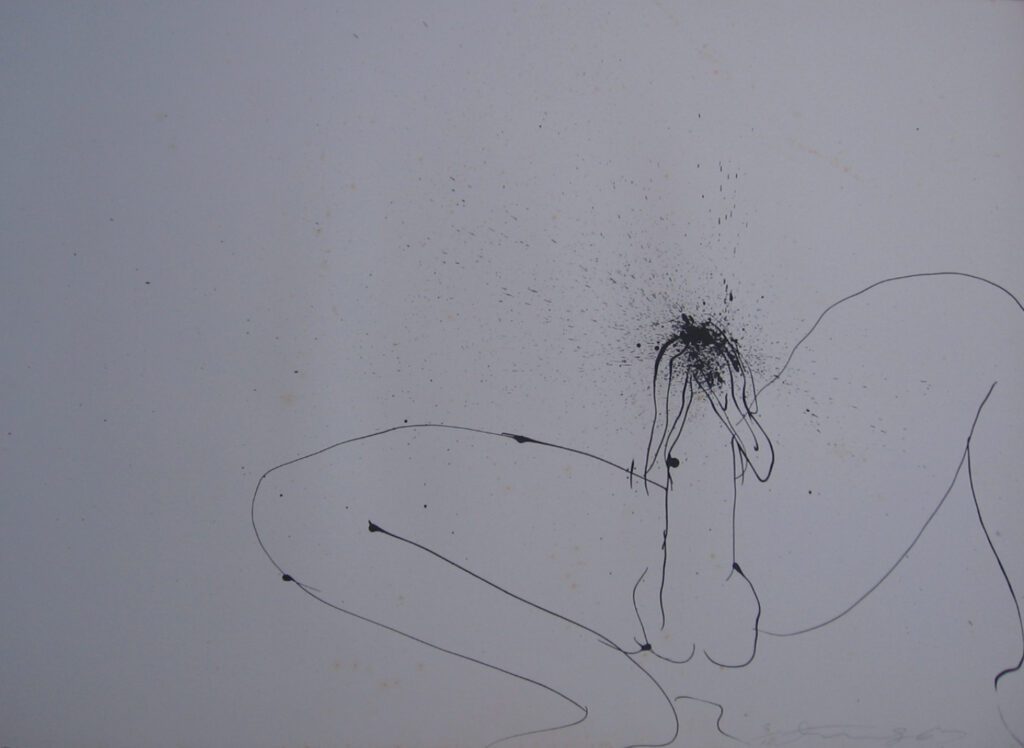
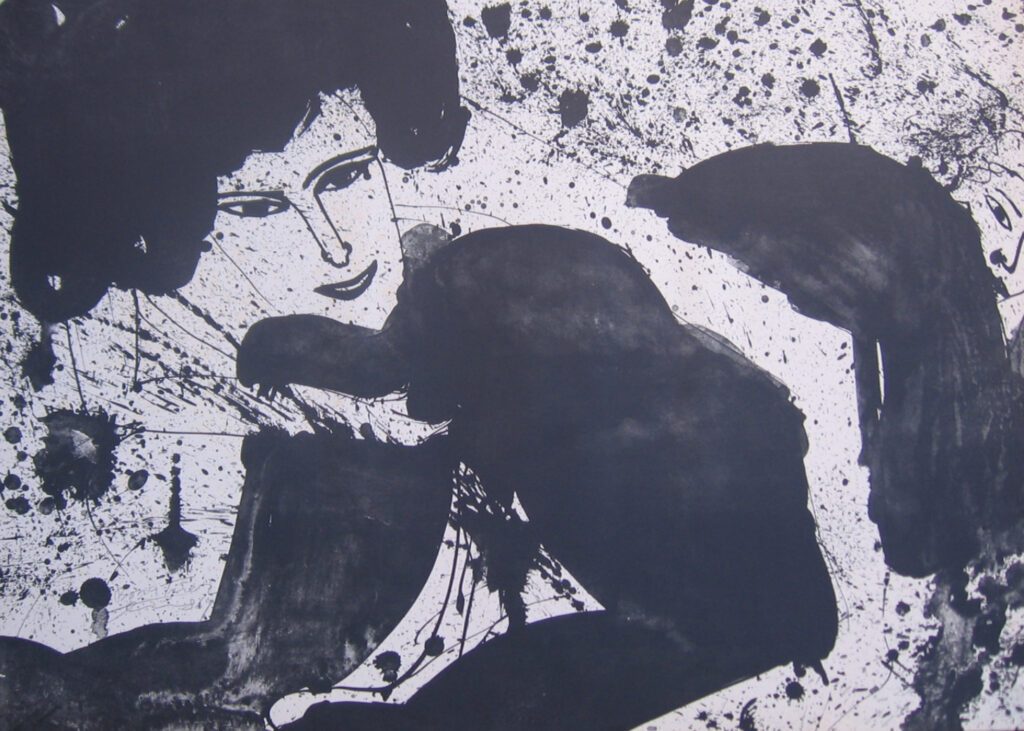
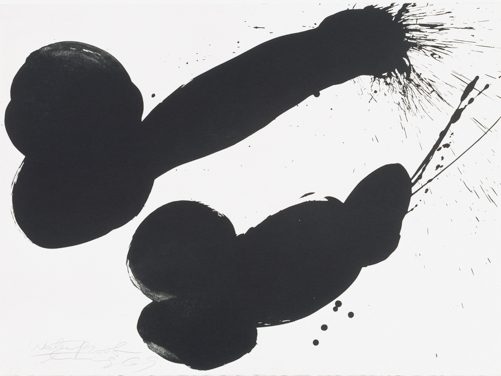
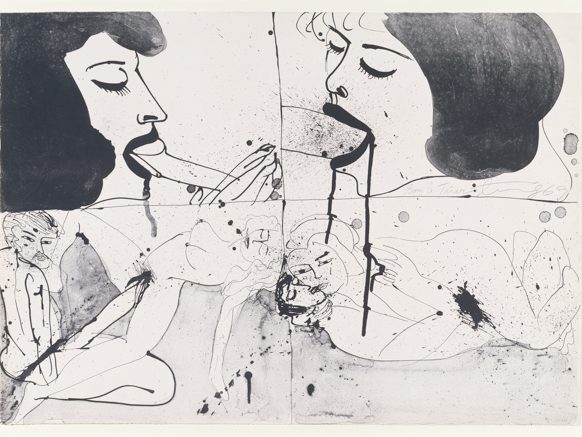
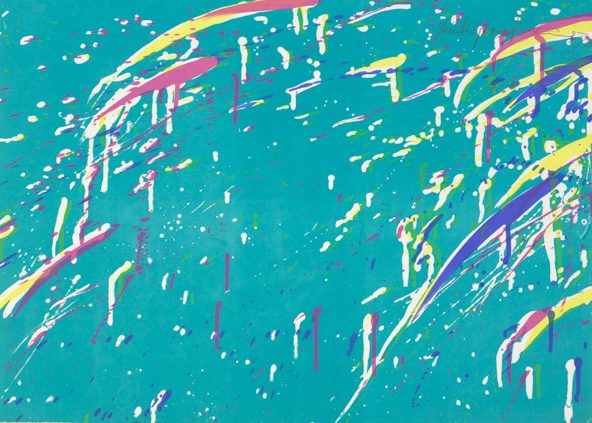
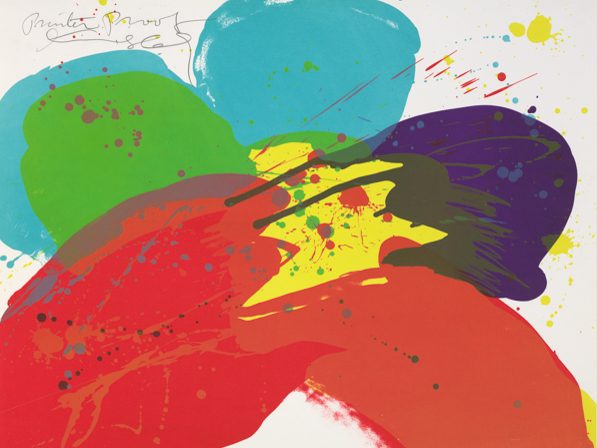
His prints Coitus Interruptus, The Secretary, Waterproof, Lunch, and Flower, all dated 1969, and Snow Sludge 1970, were produced at Hollanders Workshop, New York, in collaboration with Fred Genis and Irwin Hollander. The works are characteristic Ting — bold, playful, and charged with the same uninhibited energy as his paintings. Lithography suited him perfectly, the medium’s directness allowing his instinctive mark-making to translate without loss onto the printed page.
Walasse Ting died in Amsterdam in 2010, leaving behind a body of work as warm, colourful, and life-affirming as any of his generation.